
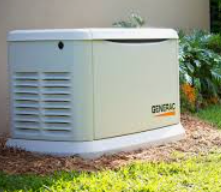
Power outages can happen unexpectedly, leaving your home or business without electricity and disrupting daily operations. Whether you’re looking to secure backup power for your home or enhance your business operations with a business generator, selecting the right generator is crucial. Choosing the correct generator involves assessing your power needs, considering fuel types, and understanding usage frequency. In this blog, we’ll provide a comprehensive guide on how to select the right generator for your specific needs, along with expert advice on home generator installation and generator installation services.
1. Assess Your Power Needs
The first step in choosing the right generator is determining how much power you need. Power requirements vary depending on whether you’re using the generator for your home or business.
Home Generators: For homes, you’ll need to consider essential appliances like refrigerators, lights, air conditioning units, and heating systems. To avoid overpaying for unnecessary power, calculate the wattage required for each appliance that you want to power during an outage.
Tip: A typical home may need anywhere from 5,000 to 8,500 watts to run essential appliances. However, larger homes with higher power demands may require a generator capable of providing up to 20,000 watts.
Business Generators: For businesses, the required wattage will depend on the size of your operations. A small office may only need enough power for computers and lights, while a restaurant or manufacturing facility may require a larger generator to power equipment and appliances. Make sure to account for the entire electrical load needed during a power outage.
Tip: Consider all devices, including computers, HVAC units, security systems, and essential lighting. For most small businesses, a generator in the 10,000 to 25,000-watt range should be sufficient.
2. Consider Fuel Type
Generators come in various fuel types, each with its advantages and considerations. The fuel type you choose will affect your generator’s efficiency, operating costs, and maintenance requirements.
Gasoline Generators: These are the most common type of home generator. They are easy to find, relatively affordable, and ideal for short-term power needs. However, gasoline can be difficult to store for long periods and can degrade over time.
Propane Generators: Propane is a cleaner-burning fuel, and propane-powered generators tend to last longer than gasoline generators. These are a great option if you plan to use the generator frequently or store it for extended periods.
Diesel Generators: Diesel generators are typically more efficient and durable than gasoline-powered models, making them ideal for business generators or larger-scale applications. Diesel fuel is more stable than gasoline, which makes it easier to store for longer periods. However, diesel generators are often more expensive upfront and may require more maintenance.
Natural Gas Generators: Natural gas-powered generators are ideal for long-term use. They provide a continuous supply of fuel, as long as your home or business has access to a natural gas line. These generators tend to be more expensive to install but are highly reliable and cost-efficient over time.
3. Evaluate Usage Frequency
How often you expect to use your generator will influence the type and size of the generator you choose. If you live in an area prone to frequent power outages, you may need a more robust system, whereas a backup generator used only occasionally for short-term outages may not require the same capacity.
Home Use: If you need a generator for occasional power outages, a portable home generator may be sufficient. However, if you live in a remote area or experience frequent outages, you might consider a permanently installed generator that can automatically start when the power goes out.
Business Use: Businesses with critical operations, such as hospitals, retail stores, or data centers, may need backup power solutions that provide continuous power, ensuring operations are not interrupted. In these cases, investing in a larger, more powerful business generator is necessary to prevent downtime and maintain business continuity.
4. Automatic vs. Manual Start
When choosing a generator, you’ll also need to decide between manual start and automatic start options.
Manual Start: These generators require you to start the unit manually when the power goes out. They are generally less expensive but can be inconvenient during an emergency.
Automatic Start: These systems automatically detect when the power goes out and immediately turn on, providing seamless backup power solutions without the need for manual intervention. They are ideal for businesses or homeowners who want convenience and reliability during power outages.
5. Size and Installation
The size of the generator is an important consideration. Choosing a generator that is too small may not provide enough power for your needs, while a generator that is too large can be inefficient and expensive. It’s essential to have a professional assess your power needs to ensure you choose the right size generator.
Generator installation services are crucial for ensuring your generator operates safely and efficiently. For both home generator installation and business generator installation, it’s important to hire a licensed professional to handle the setup. A professional will ensure that your generator is installed correctly, complies with local building codes, and is safely connected to your home or business’s electrical system.
6. Budget Considerations
The cost of a generator can vary widely based on its size, fuel type, and features. While the initial investment may be high, the benefits of having a reliable backup power source can far outweigh the costs. Additionally, consider the long-term operating costs associated with fuel, maintenance, and repairs when budgeting for your generator.
Why Choose Big Bear Electrical Contracting for Generator Installation?
At Big Bear Electrical Contracting, we specialize in generator installation services for both homes and businesses. Our team of licensed electricians can help you choose the right generator based on your power needs, fuel preferences, and usage frequency. We offer expert installation and ongoing maintenance to ensure your home generator or business generator operates efficiently and provides reliable power when you need it most.
Don’t wait for the next power outage—contact Big Bear Electrical Contracting today to schedule your generator installation and ensure you’re always prepared with a reliable backup power solution.
Contact Big Bear Electrical Contracting today to schedule your generator installation and ensure that your home or business is always ready for power outages.

