
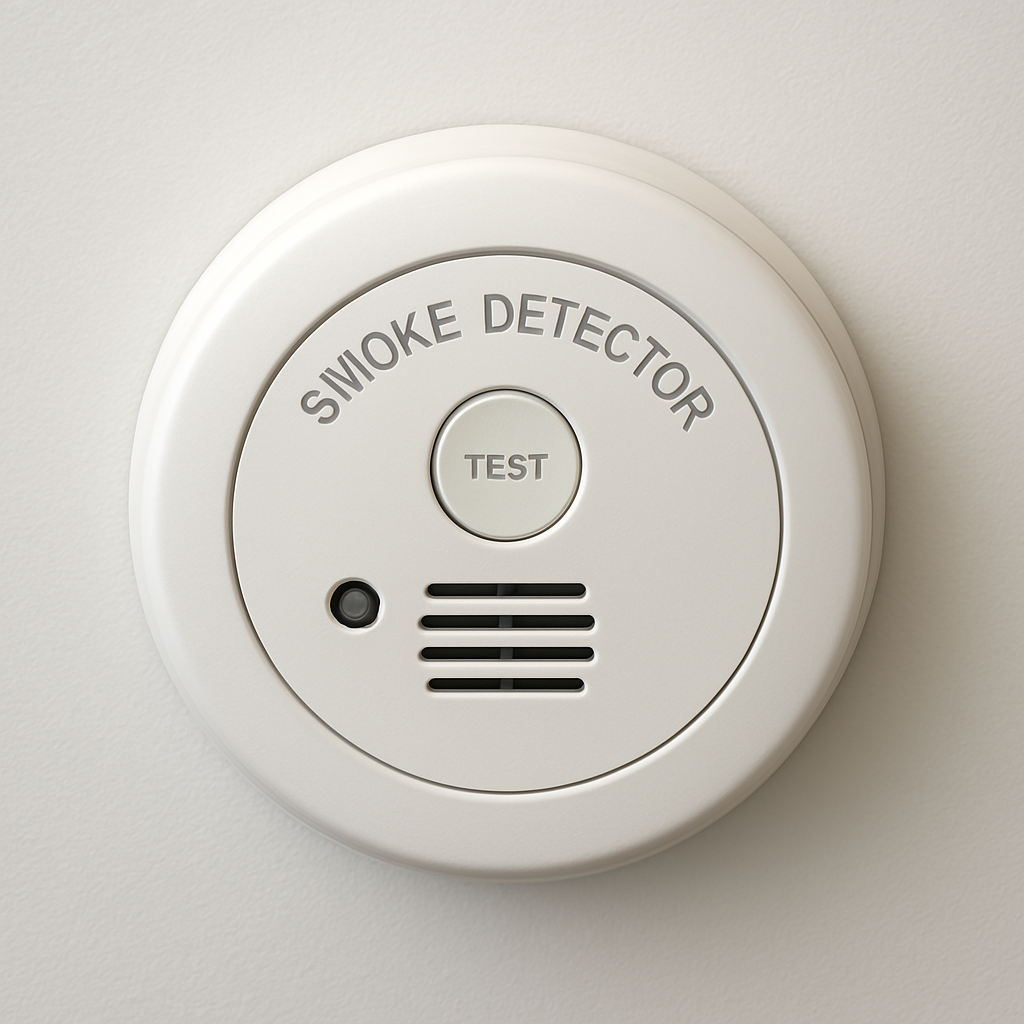
How to Protect Your Home from Electrical Fires
Electrical fires are a serious and often overlooked risk for homeowners. Faulty wiring, outdated systems, and improper electrical installations can lead to devastating fires. According to the National Fire Protection Association (NFPA), electrical failures or malfunctions are one of the leading causes of home fires. Thankfully, there are many steps you can take to prevent these incidents and protect your home from electrical fires.
In this blog, we’ll provide practical tips on how to keep your home safe from electrical fires, including the importance of fire prevention, home electrical safety, regular inspections, and smoke detectors.
What Causes Electrical Fires?
Before we dive into the preventive measures, it’s essential to understand what causes electrical fires in the first place. Some common culprits include:
Faulty Wiring: Over time, wires can deteriorate, become frayed, or suffer from poor installations, which can cause sparks and overheating.
Overloaded Circuits: Plugging too many devices into one outlet or using high-powered appliances on circuits not designed to handle the load can trigger fires.
Outdated Electrical Systems: Old electrical systems may not be equipped to handle modern energy demands, which increases the risk of overheating or malfunctioning components.
Improper Use of Extension Cords: Extension cords are meant for temporary use, but when overused or used incorrectly, they can overheat and cause fires.
1. Proper Wiring is Key to Fire Prevention
One of the best ways to prevent electrical fires is by ensuring your home has proper, up-to-date wiring. If your home is older, the electrical wiring may not meet modern safety standards, and it could be a ticking time bomb.
Here are some tips to ensure your wiring is safe:
Hire a Licensed Electrician: Always use a professional when installing or replacing electrical wiring. A licensed electrician ensures that all work is done to code and properly installed to reduce the risk of electrical fires.
Use the Right Materials: Make sure the materials used for wiring, outlets, and connections are up to the task. Using inferior materials can increase the likelihood of a fire.
Upgrading Old Wiring: If your home is 30 years old or more, consider having your wiring inspected and upgraded. Outdated systems often lack the safety features needed to handle modern electrical loads.
2. Regular Electrical Inspections for Safety
Even if your home is newly built, regular electrical inspections are essential to ensure your electrical system is working properly and safely. Over time, wiring can degrade, and appliances can cause damage to circuits or outlets.
A professional electrical inspection can identify:
Potential fire hazards: Damaged wires, exposed connections, or overloaded circuits.
Code violations: Ensure that your home is compliant with modern safety codes and regulations.
Faulty equipment: Aging electrical panels or faulty appliances that could lead to fires.
Scheduling routine electrical inspections every few years or after major electrical work is a proactive step in preventing electrical fires.
3. Install Smoke Detectors and Fire Extinguishers
While electrical fire prevention is crucial, it’s equally important to be prepared in case something goes wrong. Installing smoke detectors is one of the most effective ways to detect a fire early and give you and your family time to evacuate safely. Ensure that:
Smoke detectors are installed in every bedroom, hallway, and on every level of your home.
Batteries are replaced twice a year or when the detector starts beeping.
Test alarms monthly to make sure they are functioning properly.
Additionally, having a fire extinguisher in key areas like the kitchen and garage can help contain small fires before they escalate.
4. Avoid Overloading Electrical Circuits
Overloading circuits is one of the most common causes of electrical fires. Plugging too many devices into one outlet or extension cord can create excess heat, which may lead to overheating and potentially ignite a fire.
To prevent overloaded circuits:
Limit the use of power strips: Avoid daisy-chaining multiple power strips, as this can overload the circuit.
Use outlets properly: Plug only one high-powered appliance into each outlet.
Upgrade your electrical panel: If you frequently trip circuit breakers, it might be time to upgrade your electrical panel to handle your home’s power demands safely.
5. Use Appliances and Extension Cords Safely
Another critical step in fire prevention is using appliances and extension cords properly:
Don’t overload extension cords: Use extension cords only for short-term purposes and unplug them when not in use.
Unplug unused appliances: Unplug items like toasters, coffee makers, and space heaters when they’re not in use, as they can overheat and cause fires.
Keep combustibles away from appliances: Never place flammable items near stoves, heaters, or any other appliances that generate heat.
Why Choose Big Bear Electrical Contracting for Electrical Safety?
At Big Bear Electrical Contracting, we specialize in home electrical safety and fire prevention. Our licensed electricians provide thorough electrical inspections and circuit upgrades to ensure your home is safe from electrical fires. We also offer expert advice on maintaining a safe and efficient electrical system.
Whether you need an inspection, circuit upgrade, or expert guidance on fire prevention, our team is here to help. Protect your home from the dangers of electrical fires today—contact Big Bear Electrical Contracting for a consultation.
SEO Meta Description: Learn how to protect your home from electrical fires with proper wiring, regular electrical inspections, and smoke detectors. Prioritize home electrical safety for peace of mind.
URL: /how-to-protect-your-home-from-electrical-fires

